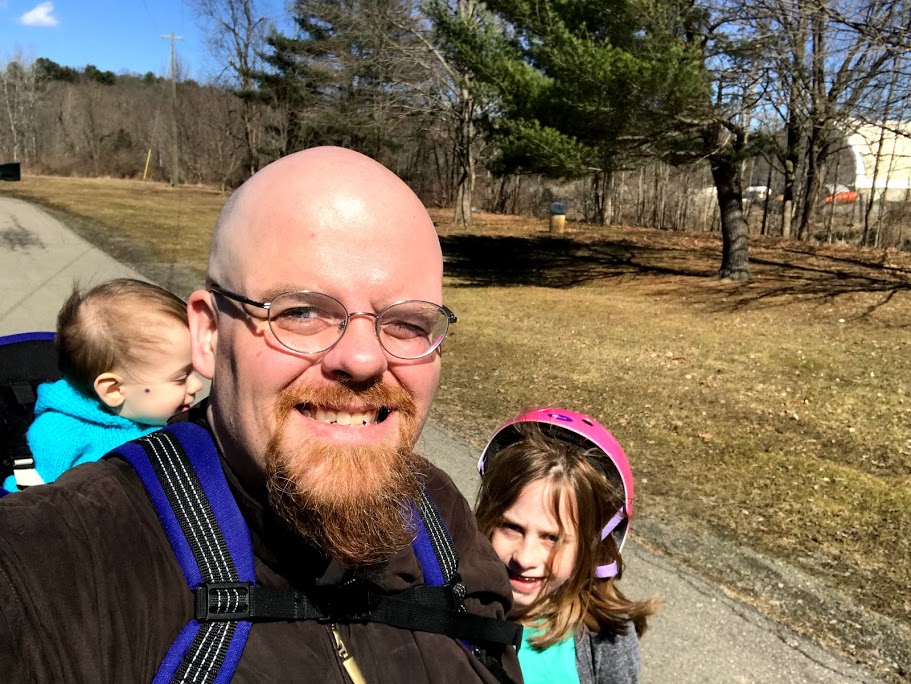
Today’s #RethinkChurch Photo-A-Day prompt is enough. I couldn’t write a haiku to match a haiga that wasn’t too personal. I will say after years of dealing with depression, doubts, and everything else, it is great to just say that I am enough. Thank you to everyone who has stood with me through all of the ups and downs, especially my spouse and my best friend who has lived with me through all of the challenges. I am very thankful for you.
This picture was taken when I was near my heaviest. I was still #enough…
The word for the day for the #RethinkChurch Photo-A-Day challenge is “welcomes.” Being myself, I can’t leave well enough alone, so here’s a haiga!
My middle child is super energetic and has ADHD. Maine Federated Church has been an awesome appointment as they have never said a mean word about her energetic nature. They are super supportive of our family. I love serving here if only because my whole family is welcome. I hope they understand how much I love them for loving her (and us) despite the interruptions.
I picked this photo because it shows the love of my youngest for my middle child. Our toddler doesn’t see a problem–she sees a sister who is always ready to play!
ADHD kid: Welcome all my family. You welcome us all.
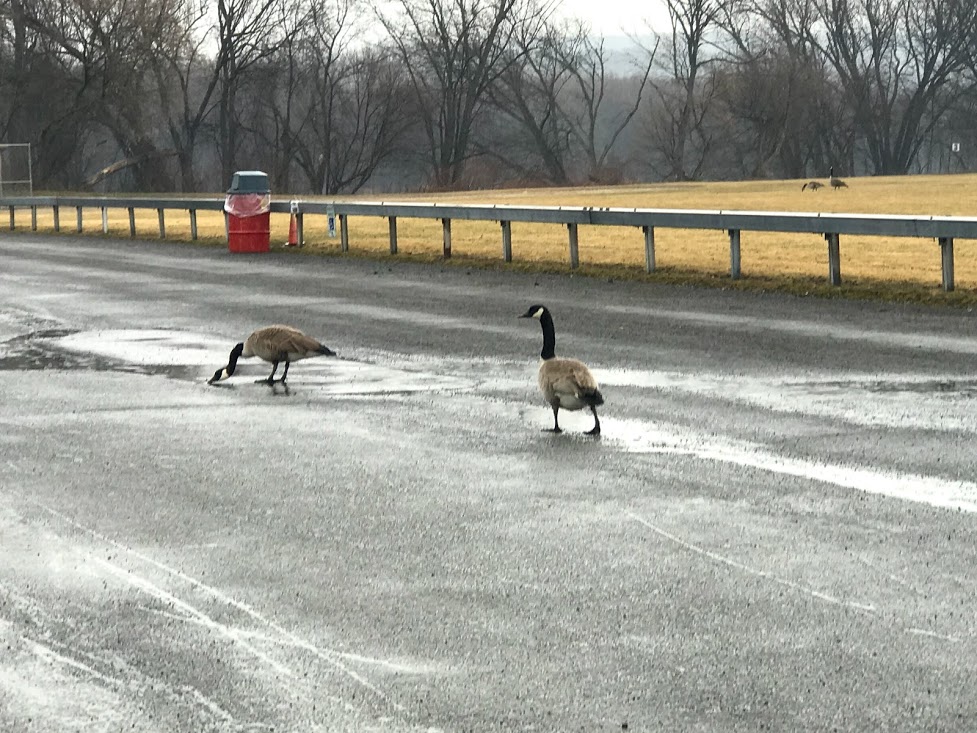
The word for the day for the #RethinkChurch Photo-A-Day challenge is “listen.” Being myself, I can’t leave well enough alone, so here’s a haiga! I heard a sound at a park the other day…
So, you thought that Lent Would pass without a bad joke? You just quack me up
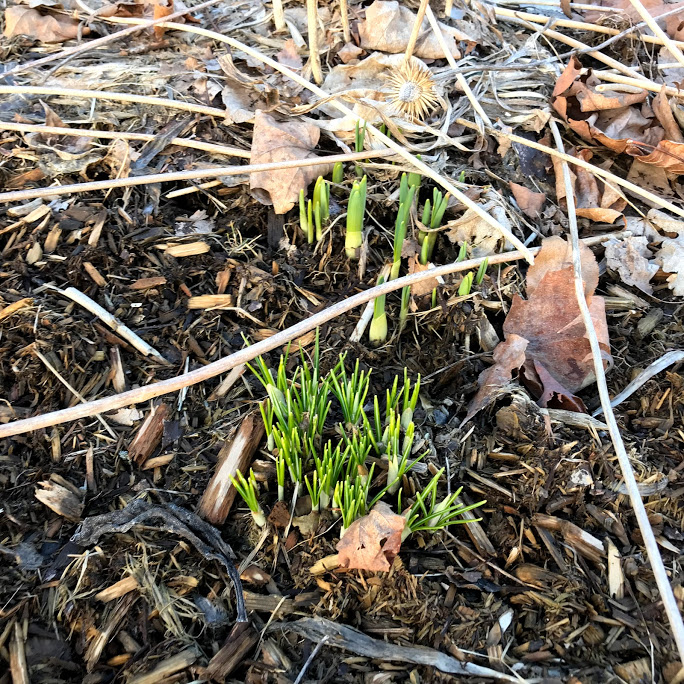
The word for the day for the #RethinkChurch Photo-A-Day challenge is “near.” Being myself, I can’t leave well enough alone, so here’s a haiga! I keep thinking about how Easter is drawing nearer. Even as the darkness of Holy Week approaches, life already begins to spring forward in new ways!
Also, I wrote this post before it started to snow. Really funny April.
Ground breaks forth with growth. Winter’s deadly cold gives way As the spring draws near.
Sermon: “Foraging Hope” Date: March 31, 2019 Scriptures: Luke 15:1-2, 11-32 (lectionary) Preacher: Rev. Robert Dean
Now all the tax collectors and sinners were coming near to listen to him. And the Pharisees and the scribes were grumbling and saying, “This fellow welcomes sinners and eats with them…”
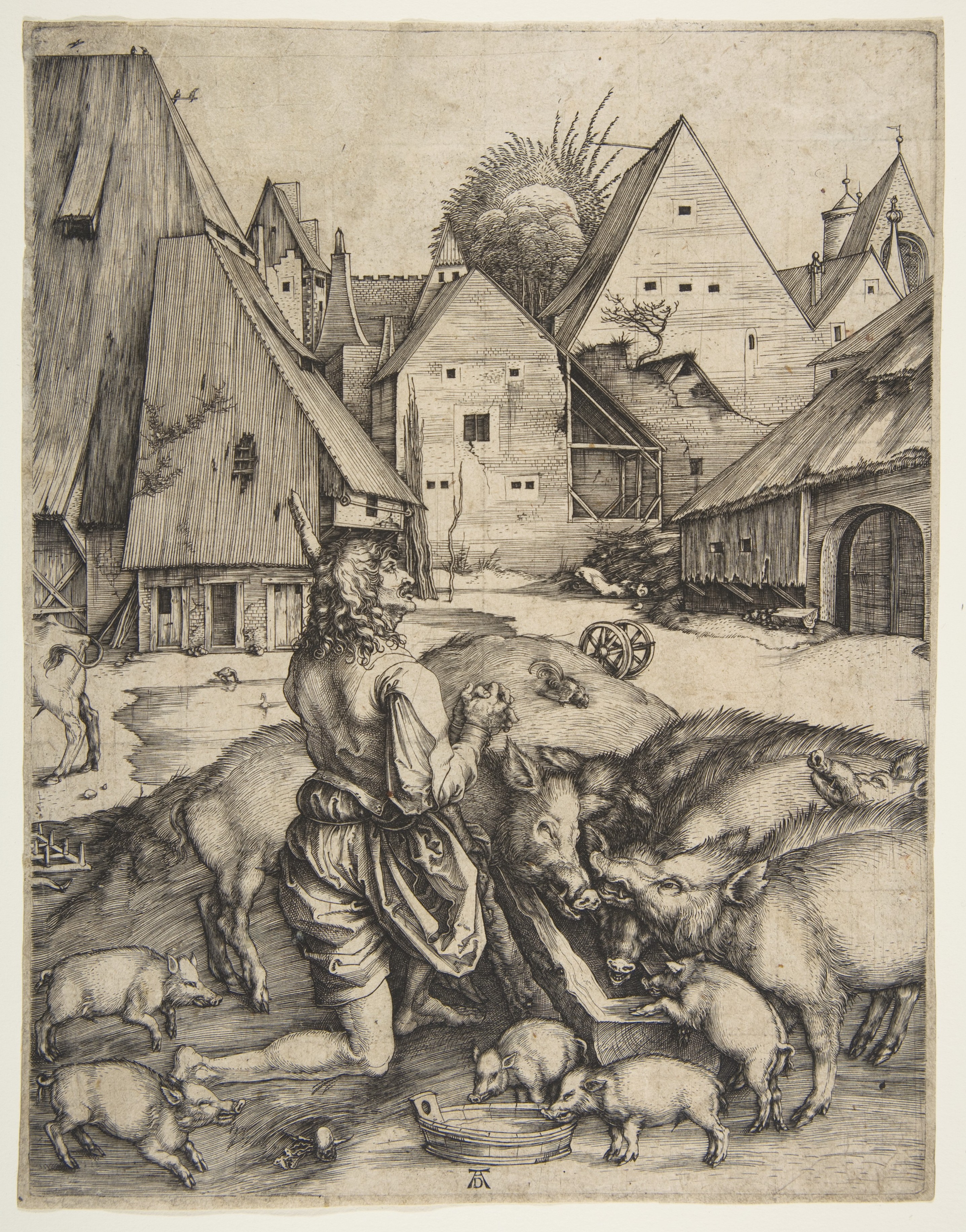
Then Jesus said, “There was a man who had two sons. The younger of them said to his father, ‘Father, give me the share of the property that will belong to me.’ So he divided his property between them. A few days later the younger son gathered all he had and traveled to a distant country, and there he squandered his property in dissolute living. When he had spent everything, a severe famine took place throughout that country, and he began to be in need. So he went and hired himself out to one of the citizens of that country, who sent him to his fields to feed the pigs. He would gladly have filled himself with the pods that the pigs were eating; and no one gave him anything. But when he came to himself he said, ‘How many of my father’s hired hands have bread enough and to spare, but here I am dying of hunger! I will get up and go to my father, and I will say to him, “Father, I have sinned against heaven and before you; I am no longer worthy to be called your son; treat me like one of your hired hands.”’ So he set off and went to his father. But while he was still far off, his father saw him and was filled with compassion; he ran and put his arms around him and kissed him. Then the son said to him, ‘Father, I have sinned against heaven and before you; I am no longer worthy to be called your son.’But the father said to his slaves, ‘Quickly, bring out a robe—the best one—and put it on him; put a ring on his finger and sandals on his feet. And get the fatted calf and kill it, and let us eat and celebrate; for this son of mine was dead and is alive again; he was lost and is found!’ And they began to celebrate
“Now his elder son was in the field; and when he came and approached the house, he heard music and dancing. He called one of the slaves and asked what was going on. He replied, ‘Your brother has come, and your father has killed the fatted calf, because he has got him back safe and sound.’ Then he became angry and refused to go in. His father came out and began to plead with him. But he answered his father, ‘Listen! For all these years I have been working like a slave for you, and I have never disobeyed your command; yet you have never given me even a young goat so that I might celebrate with my friends. But when this son of yours came back, who has devoured your property with prostitutes, you killed the fatted calf for him!’ Then the father said to him, ‘Son, you are always with me, and all that is mine is yours. But we had to celebrate and rejoice, because this brother of yours was dead and has come to life; he was lost and has been found.’”
Luke 15:1-2, 11-32, NRSV
We’re in the midst of the season of Lent. This is a season of contrition, soul searching, and personal discipleship. As we have gathered in church during this season we have focused on looking at our approach to this season as being like a journey into the wilderness. Today we come across one of the more famous parables in Jesus’ teachings. What could this story have to do with a journey into the wilderness? How can it inform our journey? Well, let us look at these words to find a way into both the text and the season. Before we begin, let us pray:
Life-giving God, You are Parent to all of us. We come to today’s scriptures and find Jesus telling a story about a father. As our Parent, these words can teach us about You. Open our eyes and our hearts to Your wise Spirit as we approach these texts. We ask these things in Jesus’ name. Amen.
Friends, this is a season of contrition and redemption. We come across a story today of Jesus spending time with the least of the least. Jesus, a Jewish Rabbi, is spending his time with tax collectors and sinners. The tax collectors worked for the oppressors of the Jewish people. The sinners were the people who did not obey the laws and teachings of the religious leaders.
We find Jesus being grumbled about by the Pharisees and the scribes–the people who taught the religious laws and the people who copied the texts. The people grumbling were the people who should have known God as well as anyone could know God. When Jesus reaches Jerusalem, this is the group of folks who will spearhead the events of Good Friday.
Here in the season of Lent we find ourselves facing Jesus’ worst critics. We found ourselves in a strange place because Jesus responds to their criticism with a parable containing three perspectives. There is a selfish son who finds redemption, a loving father who is forgiving, and an elder brother who seemingly will not forgive and accept his brother home.
It begs a question: Who are we supposed to be paying attention to in the story? This parable, known as the parable of the prodigal son is further complicated by the evolution of the word prodigal over time. Prodigal once meant abundantly generous but has shifted since the phrase “prodigal son” was written into the title of the parable to mean either wasteful or errantly wandering.
We could focus our attention on the younger son. His story is a story of redemption which fits well into the Lenten narrative. He has gone off into the world, made mistakes, and comes home with contrition and humility. This message is a good message for those of us who have been wandering the wilds of our lives in need of redemption.
We could focus our attention on the father. He waits at the road, sees his son coming from far off, and runs to meet him. He is a loving and forgiving father. He celebrates the return of his son. Surely, as Christians we should see this as teaching about the way God meets us on the road. Perhaps we even see the story of the two disciples walking to Emmaus on Easter Sunday in grief, only to be met by the resurrected Christ who breaks bread with them. Surely, this would be a great message.
Either of those would be wonderful messages. I would ask a question with you: should we not stop to ask why this passage points out those grumbling religious leaders? Why are they here if the parable has such an obvious application?
Did you ever stop to wonder why the elder son was upset? The text stops to mention he has never even been given a goat to celebrate with his friends, but have you ever stopped to think about his frustration? The father has given his brother his share of the inheritance and it has been squandered. The father has reason to be mad. The brother has wound up in one of the lowest of the low places for a good Jewish boy–longing to eat the food of something shunned by his people. His brother has lost everything including his self-respect. What is making this elder brother upset?
We could say something to the effect of “being welcomed home means he will now receive another portion of the inheritance.” That might be true. We could also say the elder son is offended on behalf of his father. That also might be true. Both are reasonable responses and if that is what you wish to take away, please do so with my blessing.
I wonder if the issue is one of a scarcity mindset. If we are on a journey through life, I think we can all say we have had days when it feels as if we have barely made it through. I have had difficult days when it felt like I only made it to bed crawling on my knees. In fact, there have been days when I have only made it to bed that way when my back went out or was sick.
There are days when we go through the wilderness of life and finding it a bleak place. We look for figs on fig trees like the gardener in last week’s sermon but there is no fruit. We look for fish in the streams and we find nothing. We look for sustenance and it feels like we barely make it through.
Then we see them in the distance. The other people. We have scraped and saved while they have spent money, more money, and more money. We have fought to keep our family together and they party it up. We have tried to raise our children, have a few close friends, and maybe have enough to go get goat curry with our spouse every now and again when they come waltzing through the wilderness.
We see them in the distance and there may be part of us that jumps to judgment. We see them in the distance and we may wish to lash out. What are they doing here? Who do they think they are coming here? This is my house, this is my community, this is my church… We see them in the distance and it may tempt us to rush to grumble.
The Pharisees and scribes are often set up in Christian stories as terrible people, but let me ask you: should we always identify with the prodigal son? Yes, we may sit here as a forgiven people, but should we always connect with that part of the story? Should we identify with the forgiving father who forgives? Perhaps, sometimes we should. Is it possible we are being asked to connect with the elder son?
A little authorship note for those of you who may find meaning in this fact. Luke and Acts are often considered to have been written by the same author. If they were written about the same time, we have learned something important. The scribes and Pharisees are a part of a Jewish people. The Jewish people who came to faith in Christ became one part of a multicultural faith that had begun to spread over the world. Acts records the apostles heading out into the world and they do that quickly. Some people note that apostles reach out to the ends of Asia, throughout Africa, and out into Europe. The entire eastern hemisphere is beginning to hear about Jesus.
We look at the scribes and Pharisees and we see bullies, but by the time this book is written… Scholarship tells us Jerusalem has been destroyed by the Romans, the Pharisees and scribes are effectively homeless, and the Jewish faith is going through a massive re-envisioning. What if they are not the bullies? What if they are not the only ones who do not understand?
The thing about the elder brother we rarely notice is that he has his own story. He sees his brother go, he sees his brother come, and he is upset. Has he ever known deprivation? Chances are he has never had to suffer intensely. You only have a fatted calf if you can afford to have a fatted calf. He and his father are not living in a place of famine like the land where his younger brother travels. The younger son has been humiliated but when he shows up, there are extra robes and rings just waiting for him. If you can afford to have such luxuries lying around in an agrarian or farming culture, you are not in want.
The older brother is furious, is standing outside the circle of blessing, and is grumbling in the fields. All that the father has is his elder son’s, but the story ends with the father pleading for his son to come home to celebrate. The scribes and Pharisees may grumble in this moment, may celebrate as Jesus suffers, but by the time this book is written… They must find their own way.
A few years ago a movie came out called “The Passion of the Christ” and one of the great fears is that it would stoke anti-Semitism. It was a powerful portrayal of the crucifixion story which took liberties, but one reality is that texts like the statements before this parable have been used for anti-Semitic purposes. People see it and say “Look! They’re grumbling! They must hate Jesus.”
I think we miss something here. The elder son has his own story to live out. By the time this book is written, there are likely sections of the church who look at the Jewish people with all the scorn they see in the actions of the scribes and Pharisees: “They had a chance! They could have done better! What a bunch of fools! First, they kicked us out of synagogues, sent out people to arrest us, and now their temple is gone and now they’re the ones who have no place to go.”
The thing is that throughout Christian history, we have often forgotten that the gospels were recorded not just as histories and not just as teachings, but as living stories. We miss warnings in plain sight. Hebrews 4:12 (NRSV) says “Indeed, the word of God is living and active, sharper than any two-edged sword, piercing until it divides soul from spirit, joints from marrow; it is able to judge the thoughts and intentions of the heart.”
By the time these stories were collected, the Christian people are the ones who have begun to have their own communities and belief. By the time the church gathered to formalize some of their theology in 325 at Nicea, the Jewish people have been without their temple for nearly 180 years. By today, it has been almost 1,950 years since the temple fell. If we look at this text and we find a reason to justify anti-Semitism, we have failed to learn the same lesson offered to the elder son. We have failed to understand love, compassion, and grace.
The challenging thing is that the faith is still growing. United Methodists, some of our struggles come out of the fact that our faith is growing in places with different cultures with different values. Do we stand there grumbling in the fields? I know it is more complicated than that generalization, but we still should ask ourselves if we are standing in the fields.
Friends in the UCC, your denomination has been battling for inclusion and openly aiming to welcome LGBTQIA+ folks to the table. You are battling racism and seeking equality and justice. What of the conservative voices and people who do not understand what you are talking about? Do we stand in the field when they come home to God both dazed and confused? As the culture shifts around, are there times when you realize the doors have not been as open as they should be or the welcome not as exuberant?
Progressive Methodists, we should ask the questions I pose to the UCC folks. Conservative UCC friends, we should ask how we stay in ministry with those of a radically different culture or mindset from your own. Not a single one of these questions is not a question I do not ask myself.
It has been nearly 2,000 years of life for the Christian Church. We have had rough moments but there has always been food out there in the wilderness. We may not have always received the goat to celebrate with our friends, but our faith, our community, and our kin-dom has survived through thick and thin. We are a people who have been blessed for generation upon generation. Can we throw open the doors to the next generation? Can we be so bold as to see each other in the wilderness and have faith that there is enough hope out here for us all? Let us pray…
The word for the day for the #RethinkChurch Photo-A-Day challenge is “rest.” Yes, it is Sunday again! Being myself, I can’t leave well enough alone, so here’s a haiga! Everything you know about life should include things that you learn before kindergarten!
Some things you should learn Before Kindergarten class Tells you how to rest.
The word for the day for the #RethinkChurch Photo-A-Day challenge is “power.” Being myself, I can’t leave well enough alone, so here’s a haiga! Here’s a picture of my eldest conquering her fear and flying down a hill on her rollerblades. She’s pretty powerful already!
“I feel like a bird!” Grow strong, my eldest daughter: Soar on through this life.
The word for the day for the #RethinkChurch Photo-A-Day challenge is “Be.” Being myself, I can’t leave well enough alone, so here’s a haiga! This picture was taken off the side of the bridge on the Greenway in Vestal.
Nobody around. Do the fish dance with shadow As the sun smiles down?
The word for the day for the #RethinkChurch Photo-A-Day challenge is “name.” Being myself, I can’t leave well enough alone, so here’s a haiga! Today’s haiga is inspired partially by Ash Wednesday and the reality of mortality exposed by Lent.
One day I will sleep Perhaps under a stone name While I walk elsewhere
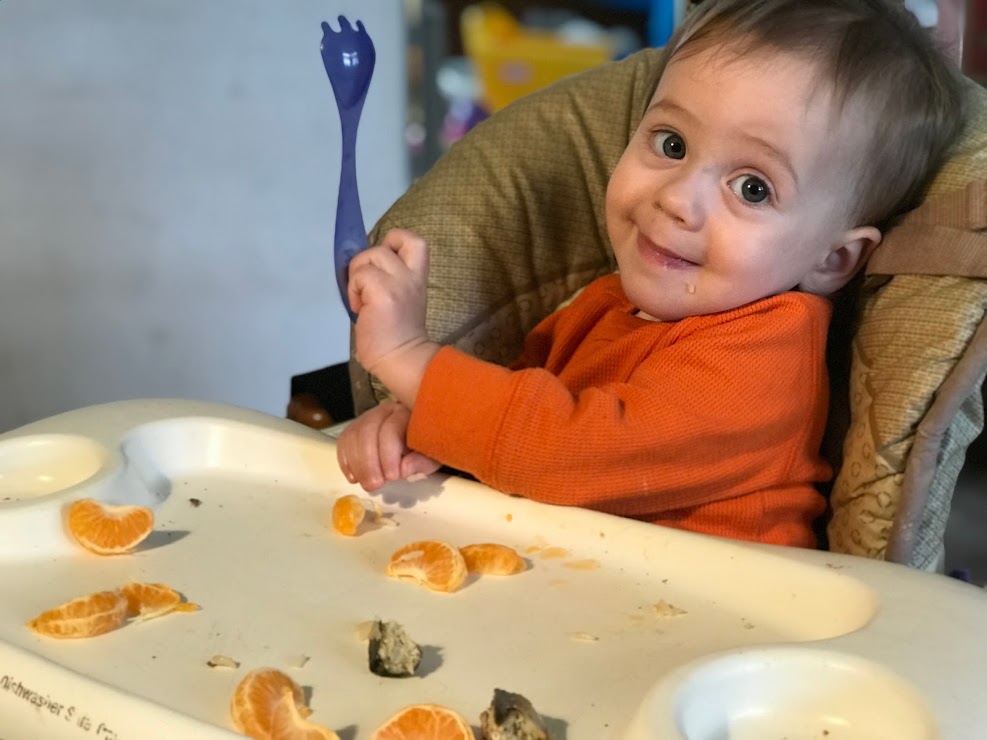
The word for the day for the #RethinkChurch Photo-A-Day challenge is “favor.” Being myself, I can’t leave well enough alone, so here’s a haiga! Macaroni and cheese in a house with a toddler… Oh my.
That pan is gooey. “I’ll help clean this up for you” Says the messy kid.
The word for the day for the #RethinkChurch Photo-A-Day challenge is “pondered.” Being myself, I can’t leave well enough alone, so here’s a haiga! I found this chalk drawing on the Greenway trail in Vestal! Random person, I like the way you pondered spring while the ground was still frozen!
Flowers will grow soon. Still, some souls know chalk’s power: Spring is in the heart.
The word for the day for the #RethinkChurch Photo-A-Day challenge is “rest.” Being myself, I can’t leave well enough alone, so here’s a haiga! “Rest” is a weekly thing. I found this on the Vestal Greenway. Yes, I saw your message. Thank you!
Random walk signer: I see chalk that you left here And I celebrate!
Message: “Clearing the Brambles and Dead Wood” Date: March 24, 2019 Scripture: Luke 13:1-9 Preacher: Rev. Robert Dean
At that very time there were some present who told him about the Galileans whose blood Pilate had mingled with their sacrifices. He asked them, “Do you think that because these Galileans suffered in this way they were worse sinners than all other Galileans? No, I tell you; but unless you repent, you will all perish as they did. Or those eighteen who were killed when the tower of Siloam fell on them—do you think that they were worse offenders than all the others living in Jerusalem? No, I tell you; but unless you repent, you will all perish just as they did.”
Then he told this parable: “A man had a fig tree planted in his vineyard; and he came looking for fruit on it and found none. So he said to the gardener, ‘See here! For three years I have come looking for fruit on this fig tree, and still I find none. Cut it down! Why should it be wasting the soil?’ He replied, ‘Sir, let it alone for one more year, until I dig around it and put manure on it. If it bears fruit next year, well and good; but if not, you can cut it down.’”
Luke 13:1-9, NRSV
Friends, we are in the midst of the season of Lent. This entire season we have been comparing our own spiritual journey to a journey into the wild. In this Lenten season we have faced some difficult passages and today’s scripture is no exception. Difficult passages can lead to messages that difficult to both preach and hear. Let’s enter these moments prayerfully.
Holy God, one of the early Desert Monastics named Abba Pambo said “If you have a heart you can be saved.” Give to us your saving grace this morning. As we follow Jesus towards Jerusalem, give us the wisdom to hear what you are saying to the saints. We ask this blessing in Jesus’ Name. Amen.
What have you found during this Lenten journey? Have you found wild things in your hearts? Did those things frighten or exhilarate you? This morning we continue looking at Luke’s account of Jesus’ journey towards Jerusalem. There’s tough words here and some difficult theology.
Jesus challenges the people to think about the world and their own lives. In our text Jesus hears words of great tragedy. The ruler Pilate has executed some of Jesus’ people and then treats them barbarically. The story has a sense of being older than time as a hated public figure has done something terrible and it upsets the people. I am certain we can all think of figures who have done awful things in our day and age.
“The Tower of Siloam (Le tour de Siloë)” by James Tissot
Jesus questions one of the oldest theological misconceptions. Jesus attacks a theology which says that bad things happen to bad people, so if something bad happened to these Galileans it is because they are bad people. Just like the people who died when a tower collapsed in Siloam, the people are looking at these Galileans and asking why God let this happen. If they are good, wouldn’t God have spared them?
Jesus starts off essentially teaches the same lesson as the Book of Job. Bad things can happen to good people. Jesus takes it a step further and points out that all of the people have sin in their lives. WHen Jesus says “Unless you repent, you will all perish just as they did” we find ourselves reading uncomfortable words. The words are very uncomfortable.
Jesus is teaching a truth though. Any journey into the heart like Lent will reveal a lot about our hearts and souls. There are wild parts of us we may encounter, there are dangerous things within us, and there’s also something else in there. Like every wooden wilderness, there are places where the trees are dead, the branches are broken, and the ground is covered with brambles. It is uncomfortable to say it, but there are places in all of our lives where we need to repent.
For me, there are places in my heart where there are broken bits. I grew up in a house where I experienced physical abuse as a child. When I wander through my woods, I occasionally come across parts of my heart that are deeply troubled and angry. There are parts of my soul where I need to repent because I can grow furious when those parts are touched, poked, and prodded. There are places in my life where these words are true. I need to clear out those brambles, get rid of the deadwood, and tear through the thorns.
Do you understand what I am saying? When I hear these words I don’t hear words of condemnation. I hear Jesus saying that all have brokenness. I hear Jesus seeing a group of people trying to say these Galileans must have been sinners while turning a blind eye to their own problems. To use another part of Jesus’ teachings, I see Jesus looking at a people with logs in their own eyes judging other people for having what may have been splinters.
I am glad the parable follows this passage because I think it elucidates what Jesus is trying to say. The people are like a fig tree without fruit. The owner of the garden keeps coming to get figs and finds nothing. The owner wants to tear the tree down, but the gardener asks for more time. The gardener will fertilize it with manure, break up the ground so the roots can spread, and watch over the tree for another year. The gardener is doing everything possible to save the tree.
It bears saying that we are reading this in Lent and the Lenten journey ends at the cross every year. The people are broken in deep ways and on Good Friday Jesus will do everything possible to bring life to the very people who will stand around jeering and taunting him. It is important to remember that Jesus is acting like this gardener and will do everything for these people.
When Jesus says unless we repent, we will perish the words are very hard to hear. In honesty though, there are parts in all of us we know should not be there. There are broken places in our lives and they need to go. Our hope is in the fact that Jesus tends the garden in our hearts, and with Jesus’ help we can tend to our broken places. When we pull down the thorn bushes, it is with Christ’s hands and our hands. When we chop down the broken branches, we do not swing an axe alone.
The Good Shepherd statue at the Malvern Retreat Center in Malvern, OA
Also, sometimes there are places in us which we cannot deal with ourselves. In those moments, we have one we can turn to hoping God will bless us with all we need. Yes, we have to repent, but if we turn to God with honesty, we can find our way through even the most challenging of circumstances.
Will you have the courage to repent this Lent? Will you find your broken places and turn them over to the gardener? Will you let God break the soil of your heart, fertilize what is good, tend to what is hurting, and remove what needs to be taken away?
The word for the day for the #RethinkChurch Photo-A-Day challenge is “fruit.” Being myself, I can’t leave well enough alone, so here’s a haiga! Why the head shaving reference? I once thought my value lay in how I look. I am not bald. I shave every single morning to remind myself that life isn’t about a full head of hair or how I look in general. May I suggest the American Foundation for Suicide Prevention as a wonderful partner for your ministry in this life?
I shave my head now. I once thought myself worthless. Now I see the fruit.
The word for the day for the #RethinkChurch Photo-A-Day challenge is “planted.” Being myself, I can’t leave well enough alone, so here’s a haiga! The photo was taken on the Vestal Rail Trail.
Like Narnian lamp: The wilderness has no tracks For this planted sign
The word for the day for the #RethinkChurch Photo-A-Day challenge is “living.” Being myself, I can’t leave well enough alone, so here’s a haiga! These love locks can be found (for now) on the Greenway trail in Vestal. I know they’ll likely be cut off following Paris’ lead, but I give credit to those who spit into the wind. Wasteful? Yeah. Still, they are a romantic gesture.
Living sometimes means Leaving one little gesture Despite bolt cutters
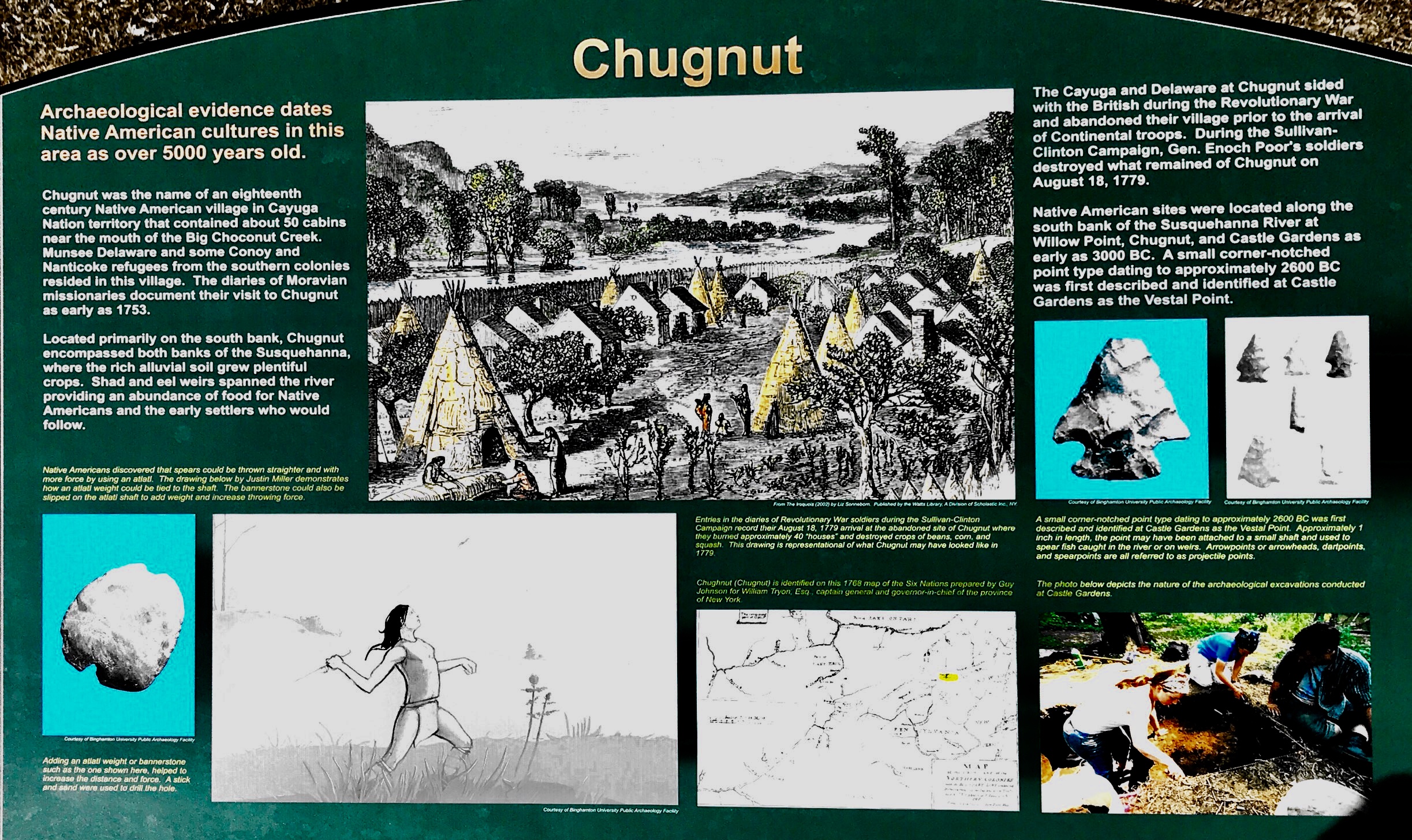
The word for the day for the #RethinkChurch Photo-A-Day challenge is “repentance.” Being myself, I can’t leave well enough alone, so here’s a haiga! The photo was taken off of the trails in Vestal. In particular, it is in the section labeled the “Greenway.” I will include an extra picture with the nearby placard if you wish a little context.
This pipeline runs through Vestal and travels through rivers where local folks catch fish. Probably not surprisingly, the number of people who catch fish where these pipes risk contaminating the waterways are often economically lower on the scale than the folks who get their fish imported from the local Wegmans.
Forest torn down bare. The Chugnut homeland long gone. No repentance here.
The word for the day for the #RethinkChurch Photo-A-Day challenge is “Sacrifice.” Being myself, I can’t leave well enough alone, so here’s a haiga! You may not understand why this is the picture, but I am reusing today’s haibun from an earlier post.
The sardines my daughter is eating are sustainably harvested. Fish like sardines and anchovies can be a good source of protein but are often overlooked for more expensive (less sustainable) proteins like beef, chicken, lamb, and often less sustainable fish. Why do we look past them? Perhaps it is because we do not realize what a whole world spending a day or two a week sustainably eating might do for everyone.
Also, if you cook them well, it is not much of a sacrifice. They really do taste very good when cooked well! Just look at the photo!
Sacrifice daily. Ask where today’s food comes from Once or twice a week.
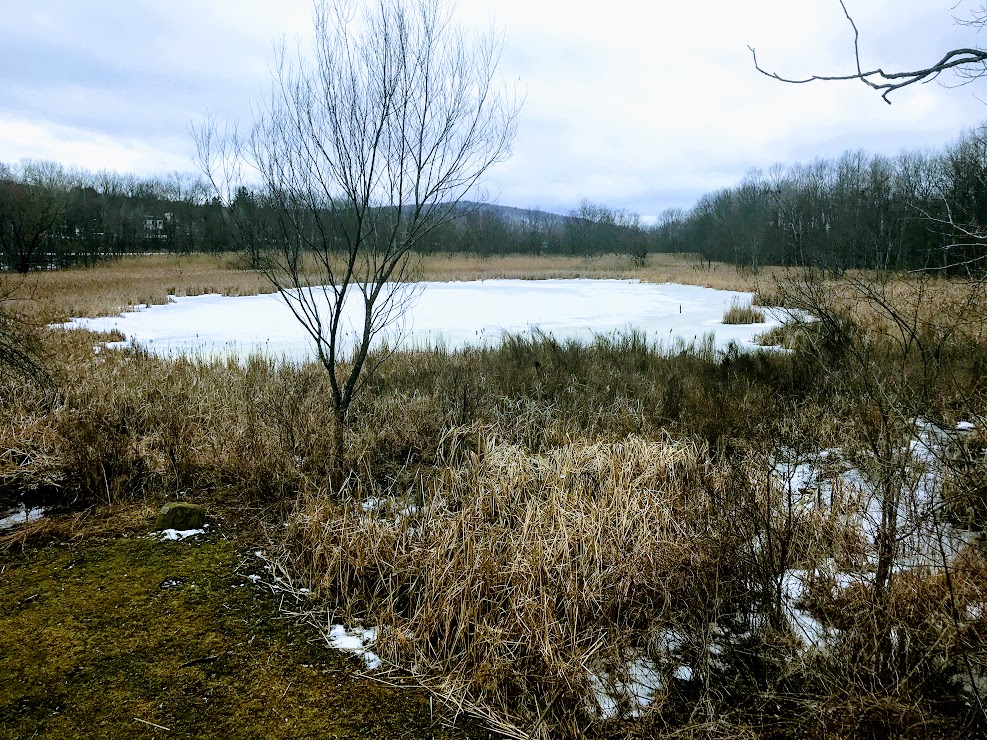
The word for the day for the #RethinkChurch Photo-A-Day challenge is “present.” Being myself, I can’t leave well enough alone, so here’s a haiga! The photo was taken in the wetlands by the Vestal Rail Trail.
Through muddy wetlands A present for the present Waits past thorns and muck.
Message: Wildness Date: March 17th, 2019 Scripture: Luke 13:31-35 Preacher: Rev. Robert Dean
Today we’re headed further into Lent. This season we’re looking at the season like a trip into the wilderness. We established last week that the wilderness is not always a place of deprivation. There is wisdom to be learned out there in the wilds.
Today we are looking at one of the harder realities of wandering into the wild. In the real world, the wild can be a dangerous place. In our own hearts we can come across some frightening things sometimes. What does Jesus’ journey teach us about those moments? Hopefully, we will glean some wisdom this morning, but first let us pray a prayer that is most appropriate for today. This particular version is from a book called “Irish Blessings” which I purchased in Belfast, Northern Ireland. It is one of the many versions of St. Patrick’s Breast Plate. I invite you to pray it with me:
Christ be with me, Christ be within me, Christ behind me, Christ before me, Christ beside me, Christ to win me, Christ to comfort me, Christ above me, Christ in quiet, Christ in danger, Christ in hearts of all that love me, Christ in mouth of friend and stranger.
We are looking today at the concept of wildness. I live here in the town of Maine and I have been walking around a lot praying recently. I am not walking as a part of my Lenten devotions. I have simply had a lot to pray over with the events of the world and in my denomination.
At least several times a week, I don my trusty hat, head lamp, grab a couple of plastic bags to attend to my dogs’ needs, and head out around the block. Normally we go around three times: once for each dog and once by myself.
I sometimes wonder if the dogs get bored with smelling the same places, marking the exact same spots, and being forced to sit on the cold ground each time a car comes by in the dark. I wonder if they tire of the same dogs barking desperately from the same yards, but we keep on walking the same path.
Why? I would love to head up into the hills, but I have been warned. When I first got here, there were stories of wild cats up in the woods above town. I do not know about that, but there are hungry creatures out in those woods, and my sheltie would be an easy snack for most of them. He isn’t the most vicious of creatures. Let’s be frank: the dog is a pushover.
Not exactly the toughest dog…
We stay in the valley because it is fairly safe. Besides the occasional loose dog, car driving a bit fast, and that one rabbit that keeps driving my dogs crazy, the valley is a fairly tame place. I sometimes wonder what would happen if we were to go off into those hills.
I pondered this as I read this week’s text. We’re looking at the season of Lent as a journey into the wilderness. We are not talking about the wilderness outside ourselves. Lent is a journey into the wilderness of the soul. Just as Jesus wandered into the wilderness for forty days, we set aside these forty days to wander into our wilderness.
Here’s a simple truth: a journey into the wilderness will lead to personal challenge and difficult things. There are places in our souls that are often well worn, safe, and generally familiar if not routine paths. When we intentionally step out of our comfort zone, there are wild parts in all of us.
Let me give an easy example from my own story. Friday night I lay awake in bed. I am following John Wesley’s example and fasting on Wednesdays and Fridays this Lent, although I am doing a partial fast. I do not eat chicken, beef, lamb, rabbit, or pork on those days. I also try to eat a little less than usual on those days.
Friday was a long day, and I found myself laying in bed dreaming of hamburgers. I lay in my bed with my phone and found myself googling recipes for potted anchovies to put on crackers. I was that hungry! I had eaten a few slices of cucumber as a snack only a few hours before bedtime. Surely that should have been enough, but my stomach growled. I wanted meat, and I wanted it right then. Enough of fasting, I wanted protein and I wanted it now. I was ravenous. I was hungry.
When we wander off of our normal paths by doing simple things even as small as cutting back, we find ourselves to be far wilder than we expected. If that’s what cutting back on a little extra food does to me, can you imagine how hard it can be when we come across the parts of ourselves that growl in our wilderness.
What happens when we come across a place in ourselves that needs to forgive? If a little of hunger can come across as an angry little sheltie barking at me for sacrificing something so small for Christ, what do you think the wolf of anger looks like as it slobbers in our wilderness? It takes a little more than saying “I need you to let it go” when those sharp teeth start slobbering.
The journey into ourselves will bring us across parts of ourselves that are not easy to deal with on our own. I am reminded of the poetry of Pulitzer Prize-winning poet Carl Sandburg. Carl Sandburg wrote the following poem called “Wilderness:”
“There is a wolf in me … fangs pointed for tearing gashes … a red tongue for raw meat … and the hot lapping of blood—I keep this wolf because the wilderness gave it to me and the wilderness will not let it go.
There is a fox in me … a silver-gray fox … I sniff and guess … I pick things out of the wind and air … I nose in the dark night and take sleepers and eat them and hide the feathers … I circle and loop and double-cross.
There is a hog in me … a snout and a belly … a machinery for eating and grunting … a machinery for sleeping satisfied in the sun—I got this too from the wilderness and the wilderness will not let it go.
There is a fish in me … I know I came from saltblue water-gates … I scurried with shoals of herring … I blew waterspouts with porpoises … before land was … before the water went down … before Noah … before the first chapter of Genesis.
There is a baboon in me … clambering-clawed … dog-faced … yawping a galoot’s hunger … hairy under the armpits … here are the hawk-eyed hankering men … here are the blond and blue-eyed women … here they hide curled asleep waiting … ready to snarl and kill … ready to sing and give milk … waiting—I keep the baboon because the wilderness says so.
There is an eagle in me and a mockingbird … and the eagle flies among the Rocky Mountains of my dreams and fights among the Sierra crags of what I want … and the mockingbird warbles in the early forenoon before the dew is gone, warbles in the underbrush of my Chattanoogas of hope, gushes over the blue Ozark foothills of my wishes—And I got the eagle and the mockingbird from the wilderness.
O, I got a zoo, I got a menagerie, inside my ribs, under my bony head, under my red-valve heart—and I got something else: it is a man-child heart, a woman-child heart: it is a father and mother and lover: it came from God-Knows-Where: it is going to God-Knows-Where—For I am the keeper of the zoo: I say yes and no: I sing and kill and work: I am a pal of the world: I came from the wilderness.”
There is a wilderness inside all of us and the Lenten journey can bring it out. In the terms of Carl Sandburg, we run the zoo inside ourselves. To be honest, one of the reasons I believe that Lent is an important season is that it brings us into contact with that wildness inside us all. Lent teaches us about ourselves which is important because of a simple truth.
Everyone in the scriptures from Eve and Adam, to Sarah and Abraham, to Job, to Ezra, to Nehemiah, to King David, to Elijah, to Deborah, to Esther, to Paul of Tarsus, to Simon Peter, to Timothy, and even Jesus all faced moments where they had things go terribly wrong. We do not have records of all of those moments, but they all faced their challenges.
Deborah the Judge had to lead a nation unaccustomed to women in leadership. Esther was faced with decisions that could cost her life in order to save her people. Peter had to deal with shame after running after the cock crowed. Paul had to deal with the fact that he came to faith in Christ and was nearly shunned by his newly beloved family which he had harmed deeply. Each had moments where everything went wrong and it was by faith that each found their way through. Let’s be clear, sometimes they did not make it through without failure. King David clearly didn’t do well with women or the husband of one whom he sent to his death.
If the people of the Bible struggled with their own wolves, bears, and tigers, shouldn’t we expect the same? Lent is a season when we begin to explore the wilderness of our souls because sooner or later we will come across events that will shove us out of our valleys. When we come across the hungry wolves in our hearts, it can literally be life saving to have taken time to practice and learn our own strengths and weaknesses.
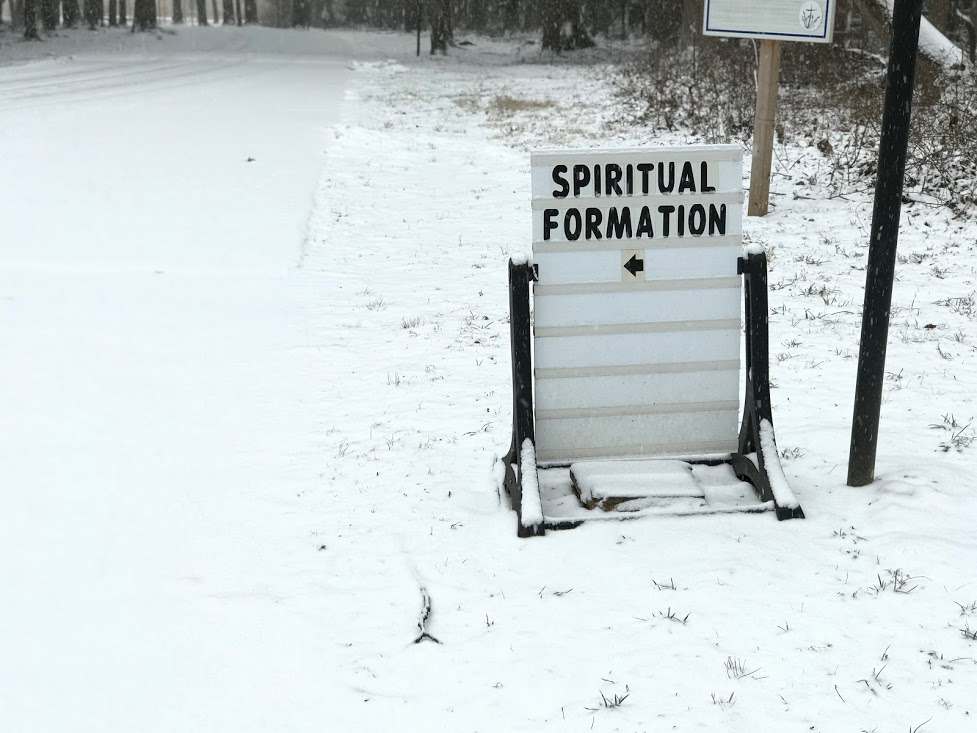
Spiritual formation may be over there… In the snowy woods…
So, how do we go about facing those challenges? I believe the first thing we must do is to stick to the course. Paul wrote in 1 Corinthians 10:13 (NRSV) that: “No testing has overtaken you that is not common to everyone. God is faithful, and he will not let you be tested beyond your strength, but with the testing he will also provide the way out so that you may be able to endure it.”
Our challenges, whether they be yappy shelties that want something to eat or wolves of anger–there is nothing so wild that it is unique to our lives. Some of the things we face may seem beyond our capability, but ask yourself this: What if Paul is right? What if you can overcome? What if we all could overcome?
Look at what Jesus is facing in today’s scripture reading. The Pharisees come to Jesus and tell him that Herod, the local king, wants him dead. They tell him to flee. First off, let’s be clear. This is coming from the Gospel of Luke and in Luke 23:8 we are told that Herod had long wanted to see Jesus so he could perform a sign. He and his soldiers mock Jesus along with the scribes and Pharisees, but Herod does not seem to want to kill Jesus at all. The Pharisees are lying to Jesus.
Jesus says he cannot die outside Jerusalem, mourns for Jerusalem, but still continues on his way. In the gospel of Luke it will be a long time until he reaches Jerusalem. He has a journey ahead of him, is already facing opposition, and will need to walk right into it.
One of the key truths passed down by the church is that Jesus is both fully human and fully divine. What that means in this case is that Christ is experiencing a human life. Do you believe that Jesus would not have faced his own worries in these moments? Do you wonder if he wouldn’t like all that power offered as a temptation in the wilderness when the very people he loves are trying to deceive and threaten him? As a human, I know I’d want that power in that moment. The wilderness temptation would ring in my ears like a gong.
So, here’s the thing. Jesus doesn’t give in to desire or fear. He continues on his way. If Lent is the season of following the footsteps of Jesus, then we should note a few things about where Jesus’ journey goes from here:
First, Jesus remains committed to love. Even as he knows Jerusalem will be his end, Jesus is depicted as loving that city. She will be his end and yet Jesus longs to cradle her like a mothering hen cradles her chicks. Jesus does not react to those who will harm him with anger. Jesus responds with love.
Responding with love to a broken world is hard. When we go on our Lenten journey there are places where we will come across parts of the world, our neighbors, and even ourselves which seem dead set to foil us. Jesus responds with love. Should we seek to do anything less?
Second, Jesus goes forward despite the challenge: he doesn’t give up. There is a good deal of his journey ahead of him. He will face more trials and more tribulations. Despite the fact the pharisees threaten him, Jesus doesn’t give up on them. In chapter fourteen, the very next chapter, we find Jesus going to share a Sabbath meal with one of the leaders of the Pharisees. Jesus does not surrender to his fear but stays the course.
Third, Jesus remembers his journey isn’t a journey that he takes alone. Jesus walks the path with his disciples, who are not a perfect bunch of people. Jesus makes the journey with a community of faith and that is important for us to remember. The journey of Lent can often seem a lonely journey, but that is a misconception. It is easy to give in to the temptation to feel alone, but we are called to remember that we were called into community.
It seems strange to say, but one of the most important things we can do as a community during the season of Lent is to be together as a church. I am not simply talking about being together Sunday morning. Sharing a cup of tea with the person from another pew, praying for that neighbor who is struggling with cancer, or even stopping by the church office for a cup of tea with your pastor. All of these things can be important things we experience on this journey of faith through Lent.
I advise us all to remember that one of the worst things we can do on this journey is to cut ourselves off from others. I have seen many beloved family members in Christ either disconnect from community, become apathetic about remaining with their spiritual family, or “pick up their toys and go home” when life or community becomes difficult. Those approaches have almost never led to anything good for either the community or the individuals. The spiritual life is far better in community. As Ecclesiastes 4:9-12 (NRSV) reminds us:
“Two are better than one, because they have a good reward for their toil. For if they fall, one will lift up the other; but woe to one who is alone and falls and does not have another to help. Again, if two lie together, they keep warm; but how can one keep warm alone? And though one might prevail against another, two will withstand one. A threefold cord is not quickly broken.”
Ecclesiastes 4:9-12, NRSV
Now let’s be clear, this is a season where we find the wild parts of ourselves, but the wild will come into our lives even outside of this season. These simple ways of following Christ’s example can be lifesaving ways of being even outside of these moments. So, even after this season, when the challenges of life snarl in your direction:
Don’t react with panic–as much as possible respond with love.
Stay the course despite the challenges
Don’t isolate yourself: remain connected to God and church.
We all must face our own challenges. To go back to the source of our opening prayer and reference a likely apocryphal story, we may find ourselves in a land full of snakes. Like St. Patrick we are sometimes asked a question: Will the snakes drive you out of your island or will you drive the snakes out? As beloved children of our Creator, as followers of Christ’s example, and with the good counsel of our Advocate, the choice is before us.
The word for the day for the #RethinkChurch Photo-A-Day challenge is “rest.” Yes, the word “rest” is used multiple times throughout Lent. Being myself, I can’t leave well enough alone, so here’s a haiga!
Please keep the corned beef. Pass me a fuzzy blanket: To rest feeds the soul!
The word for the day for the #RethinkChurch Photo-A-Day challenge is “chosen.” Being myself, I can’t leave well enough alone, so here’s a haiga! When I was a child my dad asked what I wanted to play in the band. I said drums. I was told to choose again. I said trumpet or bugle. I joined the choir. When my eldest asked if she could do percussion, my heart smiled. She has chosen well and I am blessed to be chosen by God to be her dad.
The instrument choice: Neither quiet nor subtle. She loves it. I’m glad.
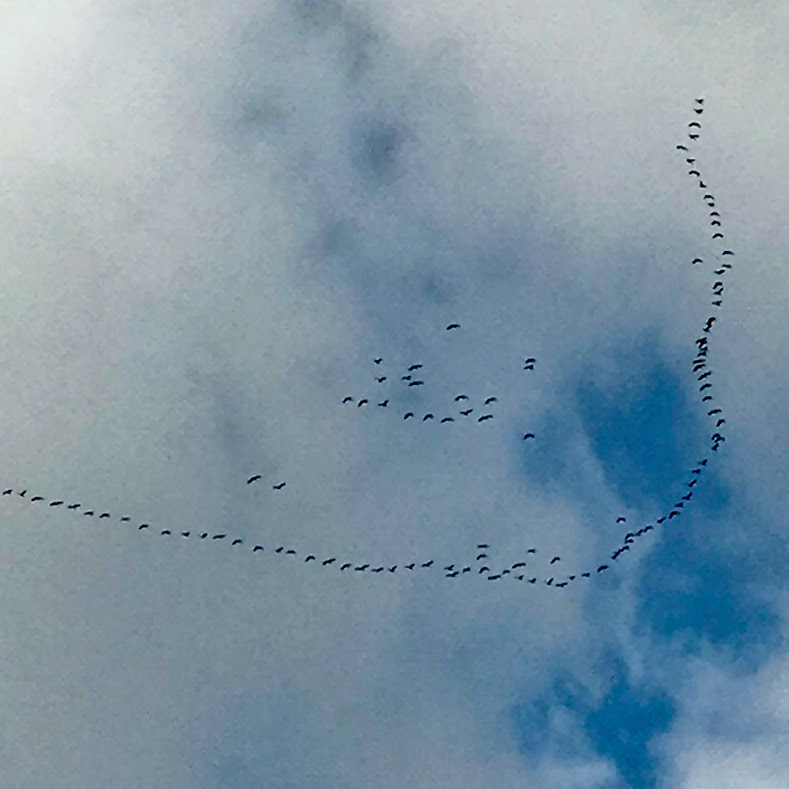
The word for the day for the #RethinkChurch Photo-A-Day challenge is “good.” Being myself, I can’t leave well enough alone, so here’s a haiga! I caught this huge flock of geese flying north! Spring is coming and that’s a really good thing!
A voice calls my name. My neighbor points to the sky. We watch spring’s heralds.
The word for the day for the #RethinkChurch Photo-A-Day challenge is “weighed.” Being myself, I can’t leave well enough alone, so here’s a haiga! I saw this beautiful bald eagle on a walk the other day. The question I’m pondering is whether the weight of the bird is greater on the tree than the need for food is on the bird. This must not be an easy season for this noble bird.
High above the marsh Branches creak under the strain As eyes search for life.









 Distracted Pastor Ramblings